NTAG213 vs NTAG215 vs NTAG216: Which NFC Chip Should You Choose?
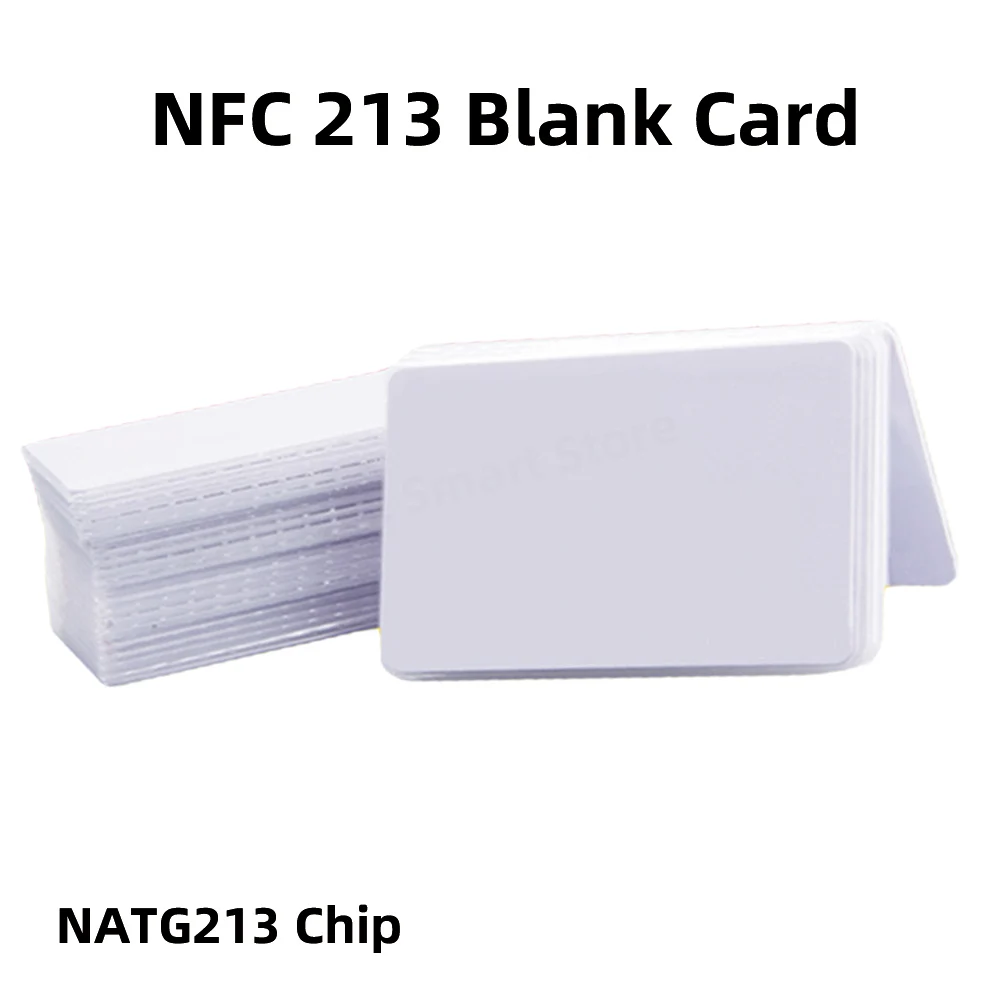
NTAG213, NTAG215 and NTAG216 are the most common chips in NFC cards, stickers and wristbands. All three work with every NFC phone and behave the same way. The real difference is memory.
At a glance
| Chip | User memory | Typical use |
|---|---|---|
| NTAG213 | about 144 bytes | One web link: review pages, websites, menus |
| NTAG215 | about 504 bytes | Longer links, small contact cards, text |
| NTAG216 | about 888 bytes | Full vCards with several fields |
NTAG213: best for links
144 bytes is enough for a web address of roughly 130 characters, which covers Google review links, websites, booking pages and social profiles. It is the most affordable option and the right choice for review cards, NFC stickers and most marketing uses.
NTAG215: the middle ground
With around 504 bytes, NTAG215 handles longer links, plain text and compact contact details. It is a good all-rounder for NFC cards.
NTAG216: for contact cards
A vCard containing a name, job title, phones, email, website and address quickly exceeds 500 bytes. NTAG216’s roughly 888 bytes give room for a complete contact card, which suits NFC business cards that save straight to the phone’s contacts.
A tip: link instead of storing
Instead of storing everything on the chip, many people write a single link to an online profile page. That works on the smallest chip and can be updated without rewriting the card.
Security and locking
All three chips can be permanently locked to stop changes, and support optional password protection. None are designed for secure access control; for that, use DESFire-type cards.